

How to lubricate a metal cam lock?
Jul 21, 2026
Leave a message
Hey there! As a supplier of Metal Cam Locks, I often get asked about how to lubricate these nifty little devices. A well - lubricated cam lock not only ensures smooth operation but also extends its lifespan. So, let's dive right into the process of lubricating a metal cam lock.
Why Lubricate a Metal Cam Lock?
Before we get into the how - to, it's important to understand why lubrication is so crucial. Metal cam locks are made up of moving parts. Over time, these parts can experience friction, which can lead to wear and tear. Friction can also cause the lock to become stiff or difficult to turn. Lubrication reduces this friction, allowing the lock to operate smoothly. It also helps protect the metal from corrosion, especially if the lock is exposed to moisture or harsh environmental conditions.
Tools and Materials You'll Need
To lubricate a metal cam lock, you'll need a few basic tools and materials:
- Lubricant: There are several types of lubricants available, but for metal cam locks, a dry lubricant like graphite powder or a silicone - based lubricant is ideal. These lubricants don't attract dust and dirt as much as oil - based lubricants, which can cause the lock to gum up over time.
- Small brush or applicator: A small paintbrush or a specialized lubricant applicator can be used to apply the lubricant precisely to the moving parts of the lock.
- Cleaning cloth: You'll need a clean cloth to wipe away any dirt or debris from the lock before lubricating it.
Step - by - Step Guide to Lubricating a Metal Cam Lock
Step 1: Prepare the Lock
First, make sure the lock is clean. Use the cleaning cloth to wipe away any visible dirt, dust, or debris from the surface of the lock. Pay special attention to the keyhole and the area around the cam. If there's a lot of dirt or grime, you can use a mild cleaning solution and a soft brush to gently clean the lock. Rinse it thoroughly and let it dry completely before proceeding.
Step 2: Choose the Right Lubricant
As mentioned earlier, dry lubricants like graphite powder or silicone - based lubricants are great for metal cam locks. Graphite powder is a classic choice. It's dry, which means it won't attract dirt, and it provides excellent lubrication for metal - on - metal contact. Silicone - based lubricants are also a good option. They offer long - lasting lubrication and are resistant to water and temperature changes.
Step 3: Apply the Lubricant
If you're using graphite powder, you can use a small brush to apply it to the keyhole. Insert the brush into the keyhole and gently coat the inside with the graphite powder. You can also apply the powder to the cam and other moving parts of the lock. Make sure to cover all the areas where there is metal - to - metal contact.
If you're using a silicone - based lubricant, follow the instructions on the product. Usually, you'll need to apply a small amount of the lubricant to the key and then insert the key into the lock. Turn the key back and forth a few times to distribute the lubricant inside the lock. You can also apply the lubricant directly to the cam and other moving parts using the applicator.
Step 4: Work the Lock
After applying the lubricant, insert the key into the lock and turn it back and forth several times. This will help distribute the lubricant evenly throughout the lock and ensure that all the moving parts are properly lubricated. You may notice that the lock operates more smoothly right away.
Step 5: Wipe Away Excess Lubricant
Use the cleaning cloth to wipe away any excess lubricant from the surface of the lock. This will prevent dirt and dust from sticking to the lock and keep it looking clean.
Tips for Lubricating Different Types of Metal Cam Locks
Cabinet Door Cam Lock
Cabinet door cam locks are commonly used in furniture. These locks are often exposed to a lot of use, so regular lubrication is important. When lubricating a cabinet door cam lock, pay special attention to the cam mechanism. Make sure to apply the lubricant to the areas where the cam rotates and where it engages with the striker plate.


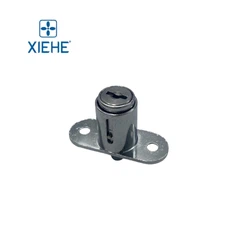
Metal Cam Lock
General metal cam locks can be used in a variety of applications. They may be exposed to different environmental conditions, so it's important to choose a lubricant that can withstand these conditions. If the lock is used outdoors or in a humid environment, a silicone - based lubricant may be a better choice as it offers better protection against corrosion.
Long Cam Lock
Long cam locks have a longer cam, which means there are more areas that need to be lubricated. When lubricating a long cam lock, make sure to apply the lubricant along the entire length of the cam. You may need to use a longer brush or applicator to reach all the areas.
How Often Should You Lubricate a Metal Cam Lock?
The frequency of lubrication depends on how often the lock is used and the environmental conditions it's exposed to. If the lock is used frequently, it's a good idea to lubricate it every few months. If the lock is exposed to harsh conditions, such as high humidity or dust, you may need to lubricate it more often.
Final Thoughts
Lubricating a metal cam lock is a simple yet important maintenance task. By following the steps outlined above, you can ensure that your metal cam locks operate smoothly and last for a long time. As a supplier of Metal Cam Locks, I can attest to the importance of proper maintenance. If you have any questions about our Metal Cam Locks or need more advice on lubrication, feel free to reach out to us for a procurement discussion.
References
- "Handbook of Locksmithing": A comprehensive guide that provides detailed information on lock maintenance, including lubrication techniques.
- "Furniture Hardware Basics": This resource offers insights into different types of furniture locks, including cam locks, and their proper care.
Send Inquiry